

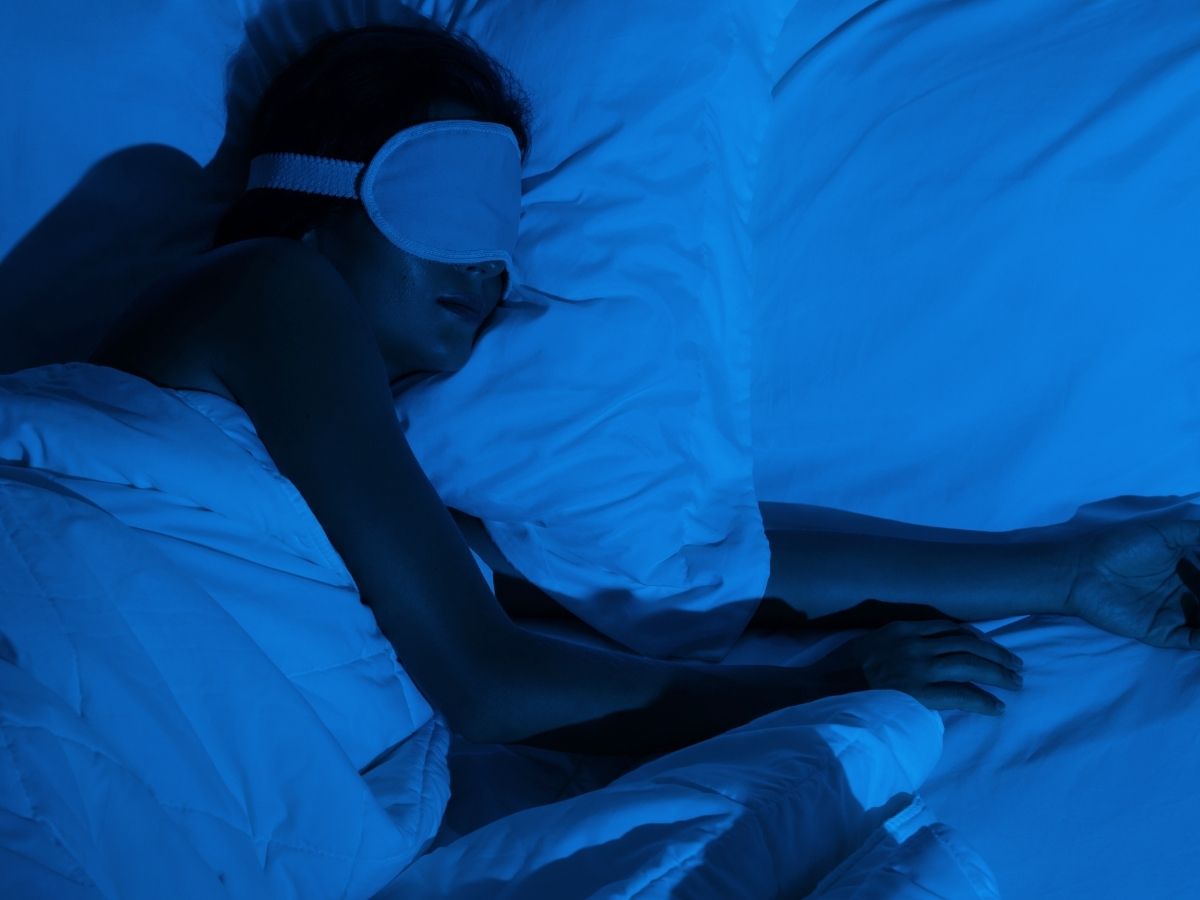
Most people know they should sleep 7–9 hours—but the quality of that sleep matters more than the clock. Deep sleep is when your body repairs muscle tissue, restores hormones, and solidifies learning. Without it, every aspect of fitness suffers.
1. The Stages of Sleep
- Light sleep: transition between wakefulness and rest.
- Deep sleep: physical recovery, muscle repair, growth hormone release.
- REM sleep: brain recovery, memory, and emotional regulation.
Deep and REM sleep are critical for performance—both mental and physical.
2. How Poor Sleep Impacts Progress
Even one night of bad sleep can:
- Lower testosterone and growth hormone
- Increase hunger hormones (ghrelin and cortisol)
- Impair coordination and focus during workouts
- Reduce muscle recovery and fat oxidation
Long-term sleep debt mimics the effects of overtraining—without you realizing it.
3. Strategies to Improve Deep Sleep
- Set a routine: consistent bedtime and wake time anchor your circadian rhythm.
- Limit screens: blue light delays melatonin release—use “night mode” or power down 60 minutes before bed.
- Cool your room: ideal sleep temperature is around 65°F (18°C).
- Avoid heavy meals, alcohol, and caffeine within 3–4 hours of bedtime.
- Get morning light exposure: natural light early in the day resets your sleep cycle.
4. Supplements That Can Help (Optional)
- Magnesium glycinate or threonate: supports relaxation and sleep depth.
- Glycine (3g): improves sleep quality and body temperature regulation.
- Chamomile or lemon balm tea: mild relaxation aid.
Always prioritize habits before supplements.
5. The Training Connection
Sleep is when your muscles grow—not in the gym. During deep sleep, growth hormone surges, protein synthesis occurs, and inflammation drops. Skipping quality rest is like skipping recovery entirely.
Key Takeaway
Training hard and eating clean won’t matter without sleep. Protect it like your workouts—same consistency, same intention. Better sleep equals better recovery, better performance, and a healthier you.